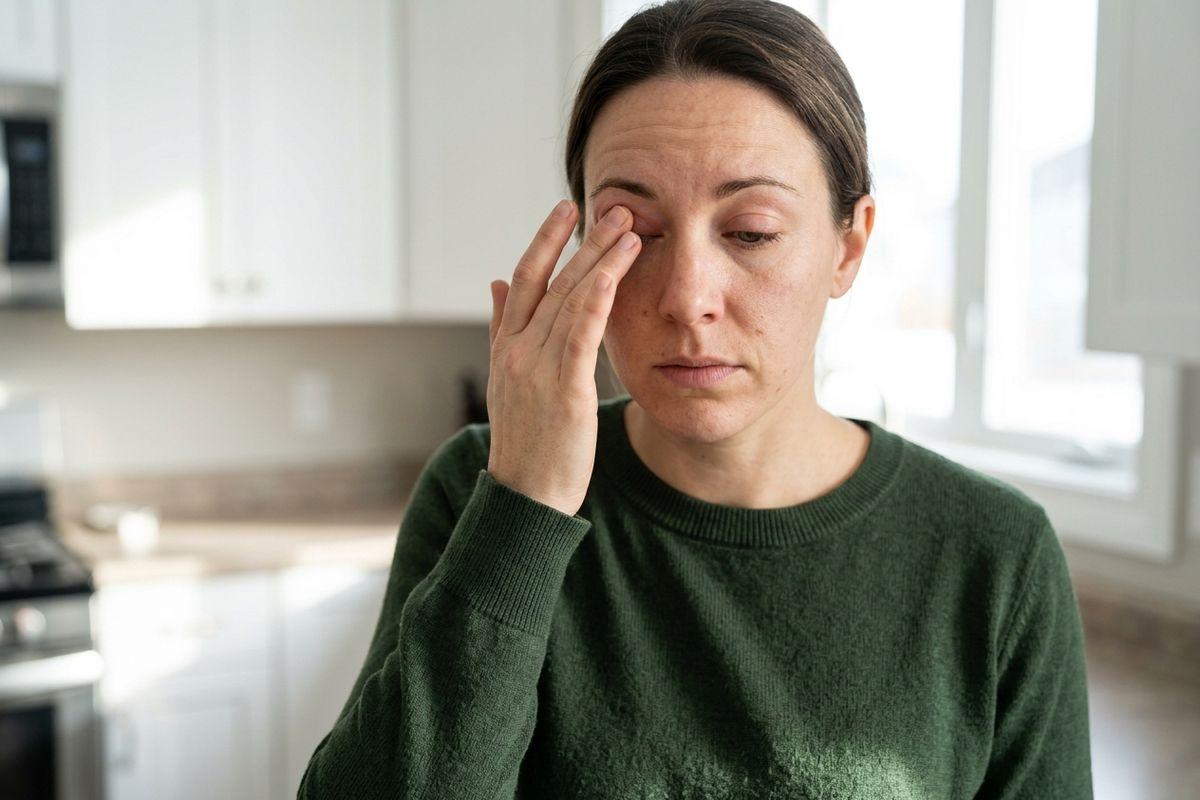
A sore eyelid can show up in more than one way. You might notice a tender red bump near your lash line, or your eyelid may feel heavy and gritty for no obvious reason.
In most cases, eyelid pain comes from a stye, a chalazion, blepharitis, allergies, or dry eye disease, and your optometrist can help you manage each of these. Some clear up with simple at-home care, while others may need dry eye treatment and eyelid care to prevent them from coming back.
Since so many of these conditions feel alike, a comprehensive eye exam can help us figure out which one you’re dealing with.
Common Causes of Eyelid Pain
Several conditions can make your eyelid sore. Each one tends to look and feel a little different, which can give you a few early clues.
Styes and Chalazia
A stye is an infected eyelash follicle. It shows up as a tender, red bump at the edge of your eyelid and can feel sore to the touch.
A chalazion is different. It forms when an oil gland in the eyelid gets blocked, creating a firmer lump that tends to be less painful than a stye but can still cause pressure or mild discomfort.
Blepharitis
Blepharitis is inflammation along the edge of your eyelid, right where your lashes grow. Your eyelids may burn or feel gritty, and you might wake up with crusty lashes in the morning.
It’s a chronic condition that can also bring flaky lashes, redness, light sensitivity, and even some lash loss. Without regular eyelid hygiene, symptoms often flare up again.
Allergies and Pink Eye
Airborne allergens like pollen can make your eyelids puffy and itchy.
Pink eye, or conjunctivitis, is inflammation of the thin, clear layer that lines your inner eyelid and covers the white of your eye. It often comes with watery or sticky discharge that can leave your eyelids sore.
Because these 2 conditions share so many symptoms, it’s easy to mistake one for the other.
Why Your Eyelid Hurts Even Without a Visible Bump
Some eyelid pain comes without anything you can see in the mirror. Dry eye disease and meibomian gland dysfunction (MGD) are often the reason, and they tend to go hand in hand.
Your meibomian glands sit along the edge of your eyelids and add oil to your tears. When they don’t release enough oil, your tears can dry up too quickly. Your eyelids may feel heavy or sore, and your eyes might sting or feel scratchy.
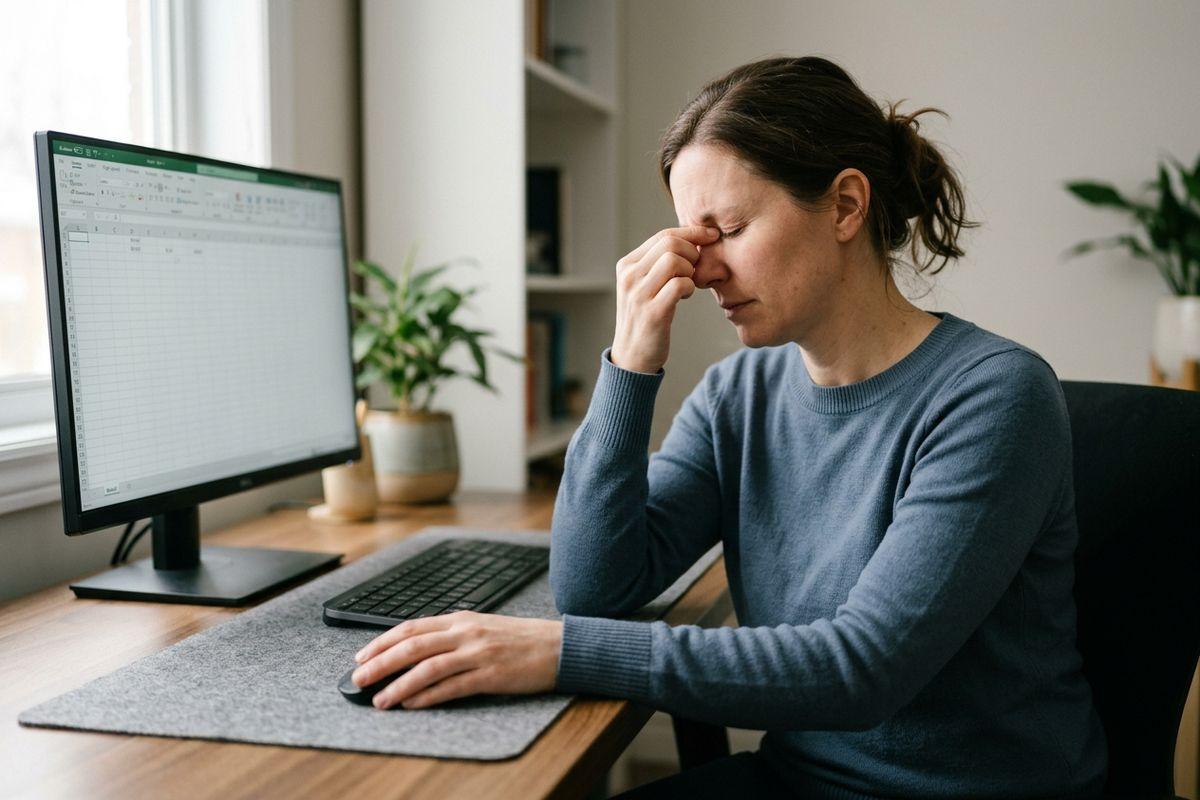
Your daily habits can also play a part. Long stretches on a screen and poor sleep can both dry out your eyes, and rubbing tired eyes can move bacteria onto your eyelids. That bacteria may lead to more irritation or even a stye.
Take regular breaks from your screen and try running a humidifier at home. Small changes like these can help ease dry eye symptoms over time.
How to Relieve a Sore Eyelid at Home
Mild eyelid discomfort often responds to simple care. Try a few of these steps at home:
- Apply a warm compress for 5 to 10 minutes, 3 times a day, to help soften blockages and ease soreness.
- Clean along your lash line with a gentle eyelid cleanser, such as Zocufoam, to remove buildup.
- Skip eye makeup until your eyelid settles down.
- Wear glasses instead of contact lenses for a few days.
- Keep your hands away from your eyes, even when they itch.
These steps can help with mild cases. If your symptoms last longer than a week or start getting worse, book a visit with your optometrist.
When to See an Optometrist for Eyelid Pain
Some symptoms need prompt care, so don’t wait for them to clear up on their own. Watch for a few of these signs and call your optometrist right away if you notice any:
- Changes to your vision
- Sensitivity to light
- A fever
- An eyelid that feels hot to the touch
- Swelling that spreads quickly around your eye
Eyelid problems that keep coming back also deserve a closer look. Recurring styes or chalazia may need in-office care, and blepharitis often needs targeted treatment to keep flare-ups under control.
Let your optometrist know if you’ve noticed a pattern. Repeat lumps can sometimes point to an underlying issue like blepharitis that needs its own care plan.
Find Out What’s Behind Your Sore Eyelid
Many eyelid conditions look and feel alike, so it’s hard to tell them apart on your own. A swollen eyelid could come from a stye, a chalazion, MGD, or something else entirely.
During an exam, your optometrist can look closely at your eyelids and oil glands, then recommend care that fits what’s going on. At Central Optometry, we take the time to listen to your concerns and learn how your eyes feel from day to day.
If your eyelid has been bothering you, book an appointment with our team. We’d be happy to help you find some relief.