
Key Takeaways
- Colour deficiency makes certain colours or shades hard to tell apart.
- The red-green type is usually inherited and present at birth.
- Aging, eye conditions, some medications, and certain chemicals can also affect colour vision.
- A diagnosis can help your child get support at school.
- Colour ID apps, simple habits, and EnChroma lenses can help you manage daily tasks.
Colour Deficiency Has Several Causes
Colour deficiency is usually inherited through genes passed down in families. However, factors like aging, certain eye conditions, some medications, and chemical exposure can also affect colour vision. If you’d like to explore your options, our team at Central Optometry offers a colour blindness and enhancement service that can help you learn what options might suit your needs.
What Is Colour Deficiency?
Colour deficiency means you have trouble telling certain colours or shades apart. For instance, if you have the red-green version, a ripe tomato and an unripe one might look almost the same.
Colour deficiency ranges from mild, where only a few shades blur together, to seeing no colour at all.
You’ll often hear people refer to this condition as “colour blindness.” That’s just the everyday name.
Common Causes of Colour Deficiency
Genes Passed Down in Families
The red-green form of colour deficiency is usually inherited, which means that it’s present from birth. It affects about 1 in 12 males and 1 in 200 females. Males only inherit the gene in question from their mother, so family history on the mom’s side plays a role.
Age & Eye Health Changes
In some cases, colour vision can shift later in life. For instance, the lenses of your eyes may darken and yellow as you age.
Colour deficiency, especially of the blue-yellow type, is often linked to age-related conditions, which include glaucoma, cataracts, and age-related macular degeneration (AMD). If you’re living with AMD, our AMD Centre of Excellence can help you keep track of changes in your eyes.
Medications & Chemicals
Some medications can change your colour vision. Exposure to certain chemicals, such as mercury, can also play a role. If colours start to look different after you begin a new medication, make sure to tell your health care professional.
Signs of Colour Deficiency in Children & Adults
You might notice these symptoms in yourself or your child:
- You mix up red, green, brown, or purple.
- You have trouble reading colour-coded charts, graphs, and maps.
- Traffic light colours look pale or very similar.
Colour Vision Checks for Young Children
Young kids often don’t realize that they see colours differently. If you suspect that there might be a problem, you can use colouring pencils as a low-pressure way to check your child’s colour vision. Ask your child to hand you the red pencil, then the green one, and so on, and take note if they mix the colours up.
If something seems off, you can then follow up with our team.
Who Should Get a Colour Vision Test?

When to Book an Appointment
A colour vision test can be helpful for these groups:
- Kids who have trouble at school.
- Anyone with a family history of colour deficiency.
- People in jobs that need accurate colour identification, like electricians.
Why a Diagnosis Helps
A comprehensive eye exam gives you data to act on. For instance, you can share results with your child’s school, so that their teachers can add labels or patterns to colour-coded lessons.
When colour deficiency is caused by an underlying eye condition, treating that condition may resolve the issue
How to Manage Colour Deficiency Day to Day
Everyday Tips & Tools
Inherited colour deficiency stays with you, but the right tools can make daily tasks easier. For example, many people with colour deficiency can learn to tell colours apart by brightness or position. This can be especially helpful with traffic lights.
Colour ID apps let you point your phone camera at an object in order to see what colour it is. For students, classroom accommodations like labelled markers and worksheets can help.
EnChroma Lenses for Red-Green Colour Deficiency
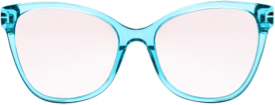
EnChroma lenses are designed to reduce red-green colour deficiency. They work by selectively filtering out wavelengths of light that can cause colour confusion. This adjusts how your eyes perceive red and green, allowing you to see more differences between colours that you struggle to distinguish.
Book Eye Exams in London, ON
Colour deficiency can be confusing at first, but a clear diagnosis gives you and your family a path forward. Our team supports vision health at every stage of life, from colour vision testing and myopia control to dry eye treatment and a wide selection of eyewear and contacts.
Book an appointment with Central Optometry today, and let our team help you see your world in more detail.