
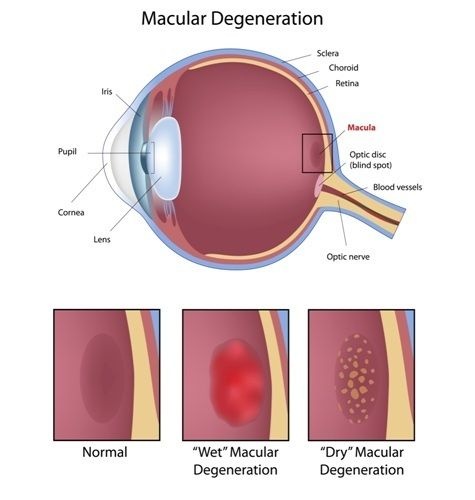
If your parent or sibling has macular degeneration, you might be wondering whether you’re destined to develop this vision-threatening condition too. It’s a natural concern that many families face when AMD affects someone they love.
Yes, macular degeneration does have a hereditary component. Having a family history increases your risk by 3 to 6 times compared to someone without affected relatives. However, genetics only tell part of the story, and there are meaningful steps you can take to protect your vision through regular comprehensive eye exams.
How Genetics Play a Role in AMD
Your genes don’t work alone when it comes to macular degeneration. While researchers have identified several genes that contribute to AMD development, the condition typically results from a combination of genetic predisposition and environmental factors working together over time.
Your risk increases significantly when you have a parent or sibling with AMD, especially if multiple family members have been affected. The closer the family relationship, the higher your potential risk becomes. If both parents developed macular degeneration, your likelihood of developing the condition increases even further compared to having just one affected parent.
Early Detection Through Family Screening
When you have a family history of macular degeneration, proactive eye care becomes your most powerful tool for protecting your vision. Early detection can make the difference between maintaining good eyesight and experiencing significant vision loss through regular comprehensive exams.
Diagnosing AMD in its early stages opens up more treatment options and gives you time to implement protective strategies. Early-stage AMD often progresses slowly, and with proper monitoring and care, many people maintain functional vision for years. The key is identifying changes before they affect your daily activities like reading or driving.
An AMD screening can include:
- Detailed retinal examination
- Optical coherence tomography imaging
- Visual field testing
- Discussion of family history patterns
Comprehensive eye exams help detect changes that might not be noticeable in your daily vision yet.
AMD Assessment and Diagnostic Technology
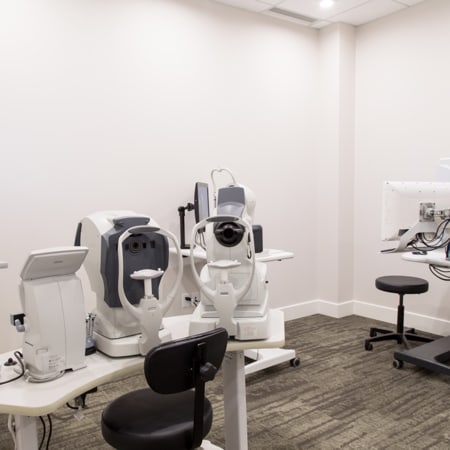
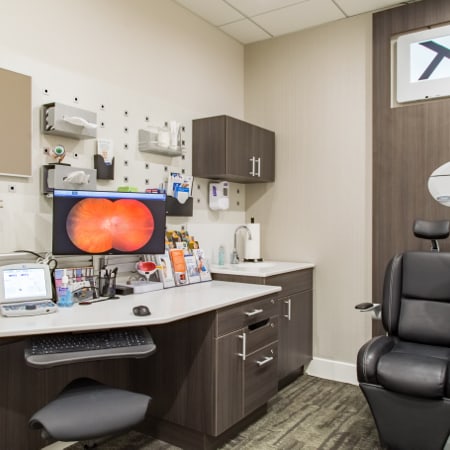
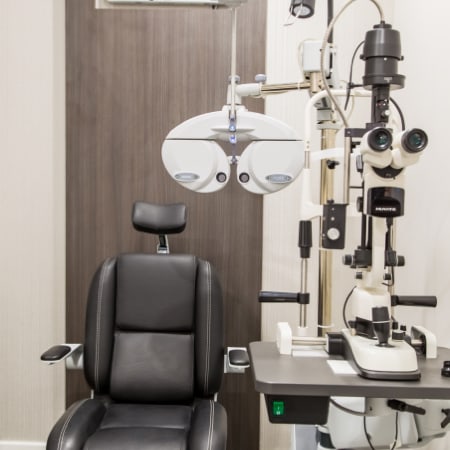
Specialized diagnostic technology can detect the earliest signs of macular changes. This thorough assessment process examines your retina in detail and establishes a baseline for future monitoring.
Central Optometry’s AMD Centre of Excellence designation means you have access to specialized care protocols and treatment options right here in London. This designation reflects our clinic’s commitment to staying current with AMD research and providing comprehensive care for patients with varying stages of macular degeneration.
Diagnostic imaging equipment can capture detailed images of your retina, revealing changes that may not be visible during a standard eye exam. These images help track any progression over time and guide treatment decisions when intervention becomes necessary.

Prevention Strategies When You Have Genetic Risk
While you can’t change your genes, you can influence many other factors that affect AMD development. Research shows that certain lifestyle choices can help reduce your risk, even when you have a family history of the condition.
Nutrition can be a huge part of protecting your vision. Essential vitamins include:
- Leafy green vegetables rich in lutein and zeaxanthin
- Omega-3 fatty acids from fish
- Antioxidant vitamins C & E
- Zinc supplementation when appropriate
Your optometrist can recommend specific vision supplements based on your individual risk factors and current health status.
That’s not all. Even minor lifestyle changes can make a difference in preventing AMD, including:
- Protect your eyes from UV light with sunglasses
- Maintain healthy blood pressure
- Stop smoking if you currently smoke
- Exercise regularly for better circulation
The Importance of Monitoring and Follow-Up Care
Being at a higher risk of AMD means you may benefit from a personalized monitoring schedule based on your age and risk factors. Regular follow-up care helps uncover any changes early and adjusts your prevention strategy as needed through specialized senior eye care.
People with a family history should have comprehensive eye exams annually after age 50, though your optometrist might recommend more frequent visits based on your specific risk factors. If you’re younger but have multiple affected family members, earlier screening might be appropriate.
Signs That Require Immediate Attention
AMD is often subtle until it’s not. Here are some warning signs to watch for:
- Straight lines appear wavy or bent
- Dark or empty spots in your central vision
- Colours appear less vibrant than usual
- Difficulty reading or doing close work
Preserve Your Vision for Life
AMD can leave you with more questions than answers, but you don’t have to do it alone. If you’re concerned about your family history of macular degeneration, Central Optometry can provide the comprehensive assessment and ongoing care you need.
Contact our team today to schedule your AMD consultation and take the first step toward protecting your vision.